What to Serve with Drunken Noodles for a Complete Meal
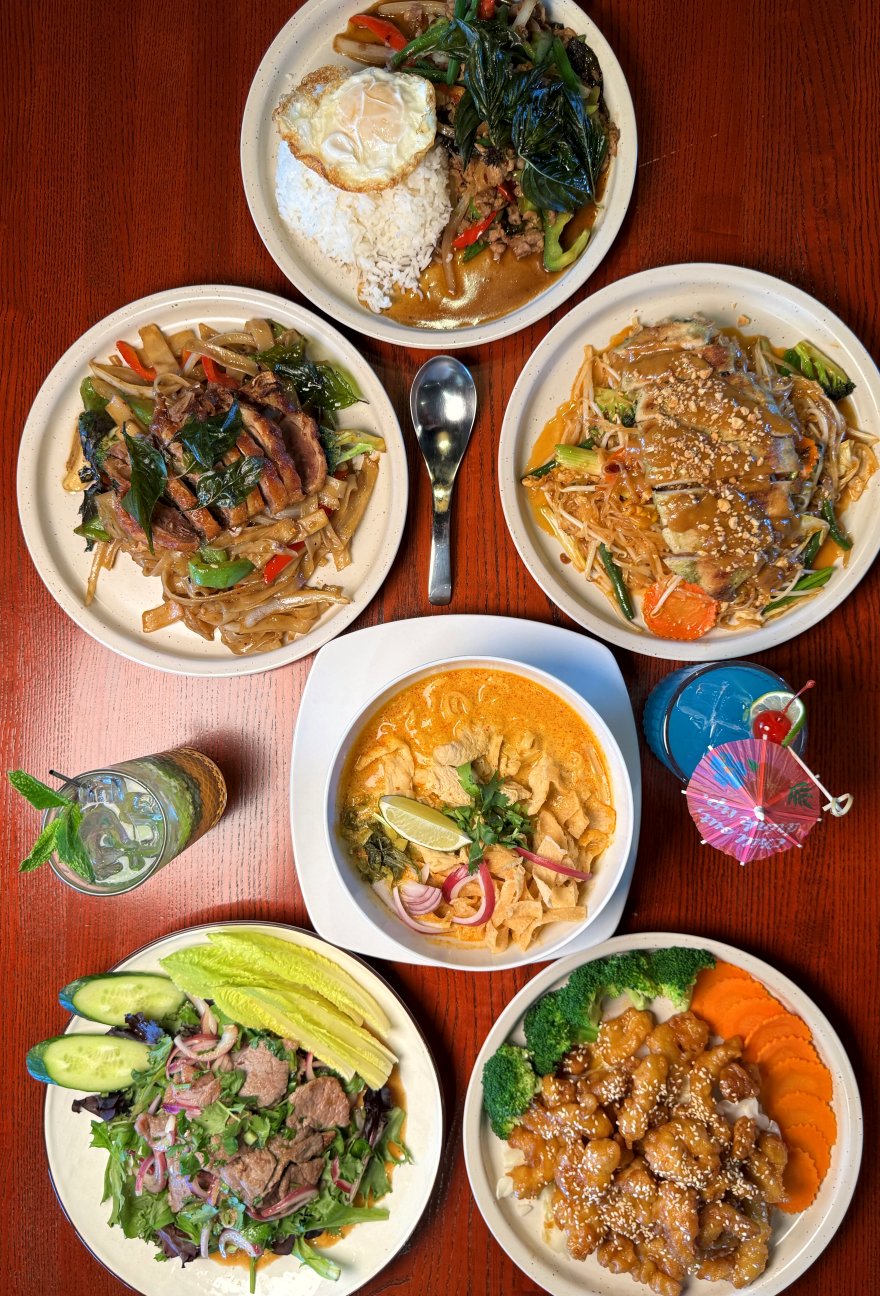
Drunken Noodles can carry a table on their own. They are bold, savory, a little sweet, usually spicy, and built around wide rice noodles that soak up sauce better than almost anything else. That intensity is exactly why they can be tricky to pair. Serve them with dishes that are too rich or too salty, and the meal feels heavy halfway through. Put them next to sides that are too delicate, and they disappear.
The best pairings do one of three jobs. They cool the palate, add crunch or freshness, or round out the meal with a second protein or vegetable that does not compete with the noodles. When I plan a full dinner around Drunken Noodles, I usually think less about matching flavors and more about managing contrast. The noodles already bring heat, chew, sauce, and often a hit of umami from soy, oyster sauce, fish sauce, or holy basil. What they need beside them is relief, texture, and balance.
If you are serving Drunken Noodles for family dinner, a date night meal, or a casual dinner party, the sections below will help you build a plate that feels complete rather than crowded.
What makes Drunken Noodles hard to pair
A good plate of Drunken Noodles is not subtle. The noodles are broad and satisfyingly slippery. The sauce tends to sit in the space between sweet and salty, with enough chili to wake everything up. Basil adds fragrance, vegetables like bell pepper and onion bring sweetness, and the protein, often chicken, beef, shrimp, or tofu, contributes weight.
That means you are already dealing with a dish that covers a lot of ground. It is your starch, your main flavor event, and often your primary protein all in one bowl. So the supporting dishes should not try to do the same work.
This is where many meals go wrong. People add fried rice because they assume a noodle dish needs another familiar takeout-style side. Or they pile on a creamy appetizer, then wonder why the table feels sluggish. Drunken Noodles do not need another carb-heavy anchor. They need companions that open up the meal.
Start with something crisp and cool
If I could only add one thing to Drunken Noodles, it would be a crisp vegetable dish. A cucumber salad, in particular, does more for the meal than its simplicity suggests. Cool cucumbers tone down chili heat, acidity cuts through oil and sauce, and their watery crunch resets your mouth between bites of noodles.
A Thai-style cucumber salad works especially well if it includes rice vinegar or lime juice, a little sugar, sliced shallot, and perhaps a few peanuts for crunch. It does not need to be elaborate. In fact, the best version for this meal is usually the lightest one. You want brightness, not another sauce bath.
Green papaya salad can also be excellent, but it depends on how you season it. A very assertive som tam, loaded with fish sauce, dried shrimp, garlic, and chilies, can be delicious, yet it can also push the meal into sensory overload if the noodles are already spicy. If your Drunken Noodles are fiery, keep the papaya salad gentler. If the noodles are mild and slightly sweet, a sharper papaya salad can energize the plate.
Even plain lettuce cups with herbs can help. A handful of romaine, mint, cilantro, and basil served with lime wedges gives people something fresh to tuck between bites. It sounds modest, but that kind of fresh counterpoint is often what makes the meal memorable.
Soups that work, and soups that do not
Many people assume soup is too much with noodles, but that depends entirely on the soup. Heavy coconut soups can be lovely in a Thai meal, though not always with Drunken Noodles. A rich tom kha, especially if loaded with chicken and coconut milk, can duplicate the fullness that the noodles already bring. The combination is delicious for the first ten minutes and tiring after that.
A clear, aromatic soup is a better fit. Light vegetable broth with mushrooms, scallions, and a little ginger makes sense. So does a restrained tom yum if it leans bright rather than creamy. The point is not to serve a second main course in liquid form. The soup should sharpen appetite and add warmth without dragging the meal down.
This is one of those trade-offs that matters more than recipes do. If your Drunken Noodles are the centerpiece of a larger dinner, maybe for guests, a small cup of clear soup before the noodles can feel polished and thoughtful. If it is a weeknight meal, skip soup and put your effort into a fresh side instead. You will get more payoff.
Fresh rolls and light starters
Fresh spring Drunken Noodles rolls are one of the most reliable appetizers to serve with Drunken Noodles. They bring herbs, crisp vegetables, and a pleasant chew from rice paper, but they do not have the dense richness of deep-fried starters. If they include shrimp, tofu, or just vegetables, they can make the table feel abundant without making the meal feel overloaded.
The dipping sauce matters. Peanut sauce can be tasty, though it adds richness quickly. A lighter hoisin-based sauce thinned with lime or a simple sweet chili dip usually sits more comfortably next to the noodles. If your Drunken Noodles already contain a lot of beef or chicken, a vegetable-forward spring roll avoids repeating the same note.
Fried appetizers require more judgment. Crispy tofu can work because its texture is distinct and its flavor is mild enough to take seasoning without overshadowing the noodles. Lightly fried vegetable tempura can also work in small portions. But very heavy fried starters, especially ones with thick batter or sticky glazes, often make the meal feel one-dimensional. You get crunch, yes, but not the kind of freshness that keeps you coming back for another bite.
Vegetables that actually improve the plate
A side of vegetables can feel like an afterthought if it is not chosen carefully. Steamed broccoli next to Drunken Noodles will certainly add nutrition, but it rarely adds excitement. The better approach is to serve vegetables that contribute texture and contrast while staying light in seasoning.
Chinese broccoli or bok choy, quickly stir-fried with garlic and a splash of pad kee mao drunken noodles soy, is one of the best options. The stems bring snap, the leaves add tenderness, and the slight bitterness balances the sweet-salty edge of the noodles. Long beans are another strong choice, especially if cooked just until bright and still a little firm. Their clean crunch works beautifully against soft noodles.
Roasted vegetables are less intuitive here, but some can work well. Roasted broccolini with lime and a pinch of chili flakes can echo the flavors of the main dish without copying it. Still, I generally prefer vegetables with more moisture and freshness for this meal. Dry heat can sometimes pull the meal toward heaviness.
A simple plate of raw vegetables with a punchy dip can also do the job. Sliced cucumber, radishes, sugar snap peas, and blanched green beans offer relief. If you set them out with a limey yogurt dip or a light chili-lime dressing, they become more than garnish. They become the thing everyone reaches for between bites of noodles.
Protein sides that do not overpower
Drunken Noodles often already contain protein, but there are times when you need a little more, especially if you are serving a crowd or if the noodle portion is smaller. The key is to think in terms of supplemental protein, not a competing entree.
Grilled satay can be excellent, particularly chicken satay with a restrained marinade. Again, watch the sauce. A huge bowl of thick peanut sauce tips the balance too far into richness. A smaller portion, or a sharper dipping sauce, keeps things in line. Shrimp skewers with lime and garlic are another smart option because they add protein while keeping the meal lively.
Tofu deserves more credit here. Crisp-edged tofu, either pan-seared or lightly fried, can give the table another source of substance without the heaviness of more meat. I have served Drunken Noodles with chile-lime tofu on nights when half the table wanted vegetarian food and half wanted meat. It worked because the tofu added contrast rather than trying to mimic the noodle bowl.
Avoid sticky ribs, heavily glazed wings, or rich curries as side dishes with Drunken Noodles. Those foods are wonderful in the right setting, but beside these noodles they often turn the meal into a contest of strong sauces. Nothing gets room to breathe.
Rice, yes or no?
Usually, no. Drunken Noodles already bring plenty of starch. Adding jasmine rice can make sense if the noodles are part of a larger family-style spread with multiple dishes and sauces, but for most meals it is redundant.
There is one exception I have seen work well. If you are serving very spicy Drunken Noodles to guests with mixed heat tolerance, a small bowl of plain jasmine rice on the table can act as a cooling buffer. It does not need to be framed as a formal side. It is more of a practical safety net, the edible equivalent of turning down the volume for anyone who needs it.
If you want a grain component that contributes more than softness, sticky rice can be fun in certain menus, especially if the rest of the meal leans fresh and sharp. Even then, I would keep the portion small. Most people will naturally devote their appetite to the noodles first.
Sauces, condiments, and palate management
One overlooked part of serving Drunken Noodles is not just what else goes on the table, but what condiments you offer. Extra lime wedges are almost always useful. A squeeze of lime brightens the noodles and can rescue a pairing that feels too rich. Thinly sliced chilies in vinegar, if your crowd likes heat, give people a way to customize without altering the main dish.
Fresh herbs are another small touch with outsized impact. Thai basil, mint, and cilantro can all help lighten each bite. If the noodles came out slightly saltier than intended, herbs and lime can rebalance the plate more effectively than adding another side dish.
I would be cautious with too many bottled condiments. A table cluttered with sauces often encourages people to keep piling flavor on top of flavor when what the meal needs is clarity.
The best fruit and dessert pairings
Dessert after Drunken Noodles should feel cleansing, not indulgent in a heavy way. Tropical fruit is the obvious answer, and for good reason. Mango, pineapple, watermelon, and chilled orange segments all work because they bring sweetness and water, which help settle the heat.
Mango sticky rice can be beautiful if you are serving guests and want the meal to feel more complete. Just remember that it is a substantial dessert. If the noodle portions were generous and you had appetizers on the table, simple sliced fruit may actually be the better choice. There is a difference between ending the meal and extending it too long.
Coconut-based desserts can be lovely, but I prefer the lighter ones here. Coconut sorbet or a small coconut pudding feels cleaner than a dense cake or a very rich custard. The meal should finish with freshness.
Drinks matter more than most side dishes
A great pairing can be a drink rather than a plate. Drunken Noodles are one of those dishes where beverage choice changes the whole experience. Unsweetened iced tea, sparkling water with lime, or a lightly sweet Thai iced tea can all work, though the last one is richer than many people remember and can make the meal feel heavier.
Beer is a classic for a reason. A crisp lager cools the palate and handles spice well. For wine, I would lean toward something with acidity and a touch of fruit, such as Riesling, especially if the noodles are spicy. Very tannic red wines tend to fight with chili heat and make alcohol feel harsher.
If you are not drinking alcohol, lime soda with very little sugar is one of my favorite choices. It is refreshing, bright, and practical. Sometimes the best pairing is simply the one that makes you want another forkful.
Pairing by the style of your Drunken Noodles
Not all Drunken Noodles taste the same, and the right side dishes change depending on how they are made. Some versions are deeply savory and smoky from high-heat wok cooking. Some lean sweeter. Others are basil-forward or loaded with vegetables.
Here is a useful way to think about it:
- If the noodles are very spicy, serve cooling sides such as cucumber salad, fresh herbs, or plain rice in small amounts.
- If the noodles are mild and sweet, add sharper companions like green papaya salad, limey vegetables, or a clear sour soup.
- If the noodles are meat-heavy, pair them with raw or lightly cooked vegetables rather than more protein.
- If the noodles are vegetarian, a small side of satay, grilled shrimp, or crisp tofu can make the meal feel fuller.
- If the noodles are part of a dinner party spread, keep the other dishes simpler than you think you need.
That last point comes from experience. When one dish already has personality, the supporting cast should know when to step back.
Practical menus that work in real life
Sometimes the easiest answer is to see how a complete meal comes together. These combinations are balanced, realistic, and suited to different settings.
- For a weeknight dinner, serve Drunken Noodles with cucumber salad and chilled pineapple.
- For casual guests, pair Drunken Noodles with fresh spring rolls, garlicky bok choy, and mango for dessert.
- For a spicier noodle version, offer a small clear soup first, then the noodles, with raw vegetables and lime on the side.
- For a vegetarian meal, match tofu Drunken Noodles with green papaya salad and coconut sorbet.
- For a family-style spread, add grilled chicken satay, a crisp herb salad, and a plate of fresh fruit.
Those menus work because they avoid duplication. You get freshness against richness, crisp textures against soft noodles, and enough variety to make the meal feel complete without turning dinner into a buffet of competing flavors.
Common mistakes when building the meal
One of the most frequent mistakes is overcommitting to takeout logic. People think, noodles need fried appetizers, rice, and a heavy dessert, because that is what appears in a giant restaurant order. At home, or even for a more thoughtful dinner, that formula often falls apart. It fills the table, but not in a satisfying way.
Another common issue is ignoring heat level. If the Drunken Noodles are truly spicy, every side should not also be spicy. A little contrast is not a compromise. It is what lets the main dish shine. On the other hand, if the noodles are mild because you are serving people with lower spice tolerance, one bright side dish with acid or chili can keep the meal from feeling flat.
Portioning matters too. Drunken Noodles are generous by nature. I have found that smaller noodle portions with two smart accompaniments create a better dinner than an oversized bowl with nothing else. People can always go back for more noodles, but if the first plate is too large, the whole meal feels one-note.
If you want the simplest possible answer
If you are standing in your kitchen wondering what actually belongs next to Drunken Noodles tonight, keep it uncomplicated. Make one crisp vegetable side, one optional light starter, and one clean dessert or fruit. That formula nearly always works.
My personal default is this: Drunken Noodles, cucumber salad with lime, and ripe mango or pineapple afterward. If I want the table to feel a little more generous, I add fresh spring rolls. That is enough to turn a strong noodle dish into a complete meal with contrast, color, and a clear sense of balance.
The beauty of Drunken Noodles is that they do not need much help. They just need the right company.