Why Homemade Drunken Noodles Beat Delivery
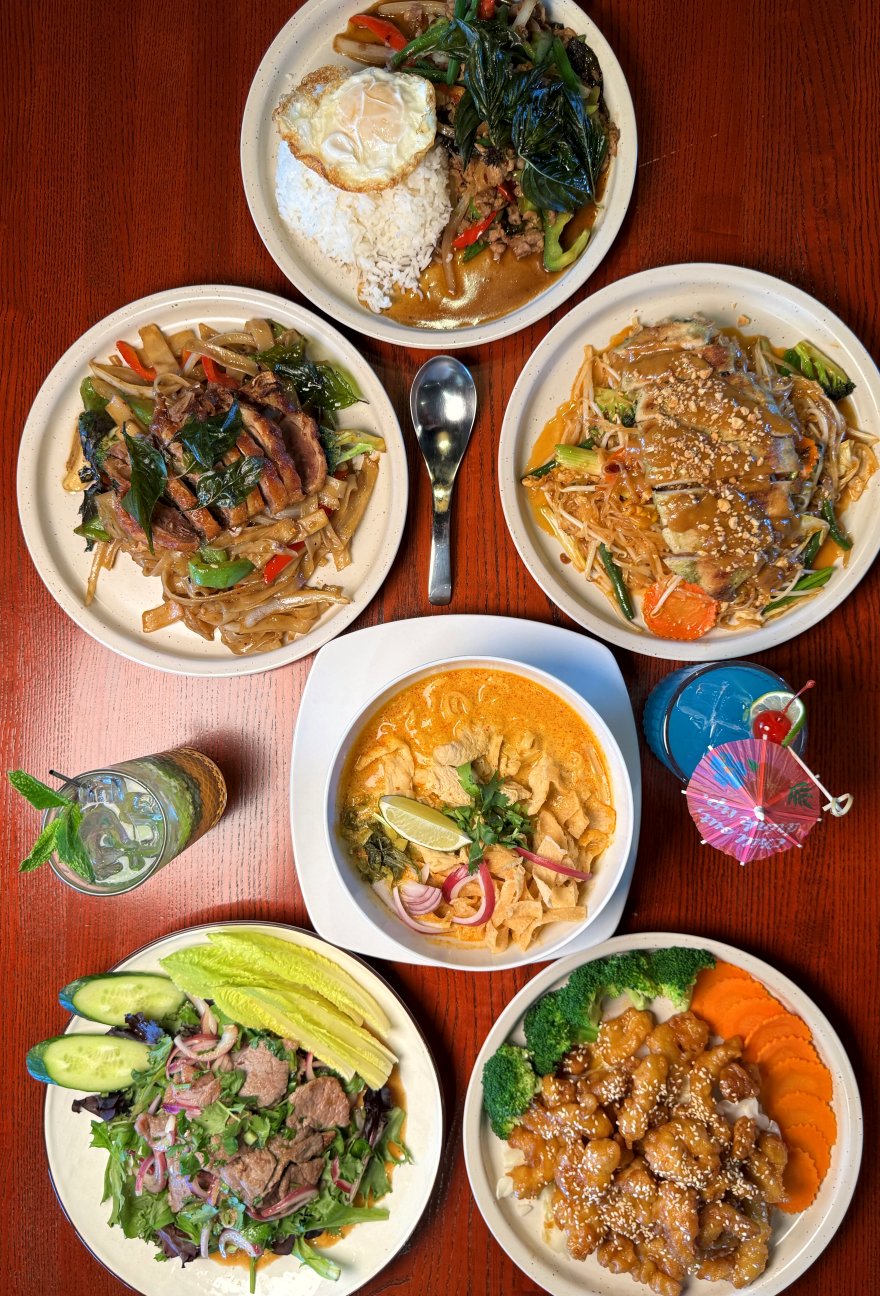
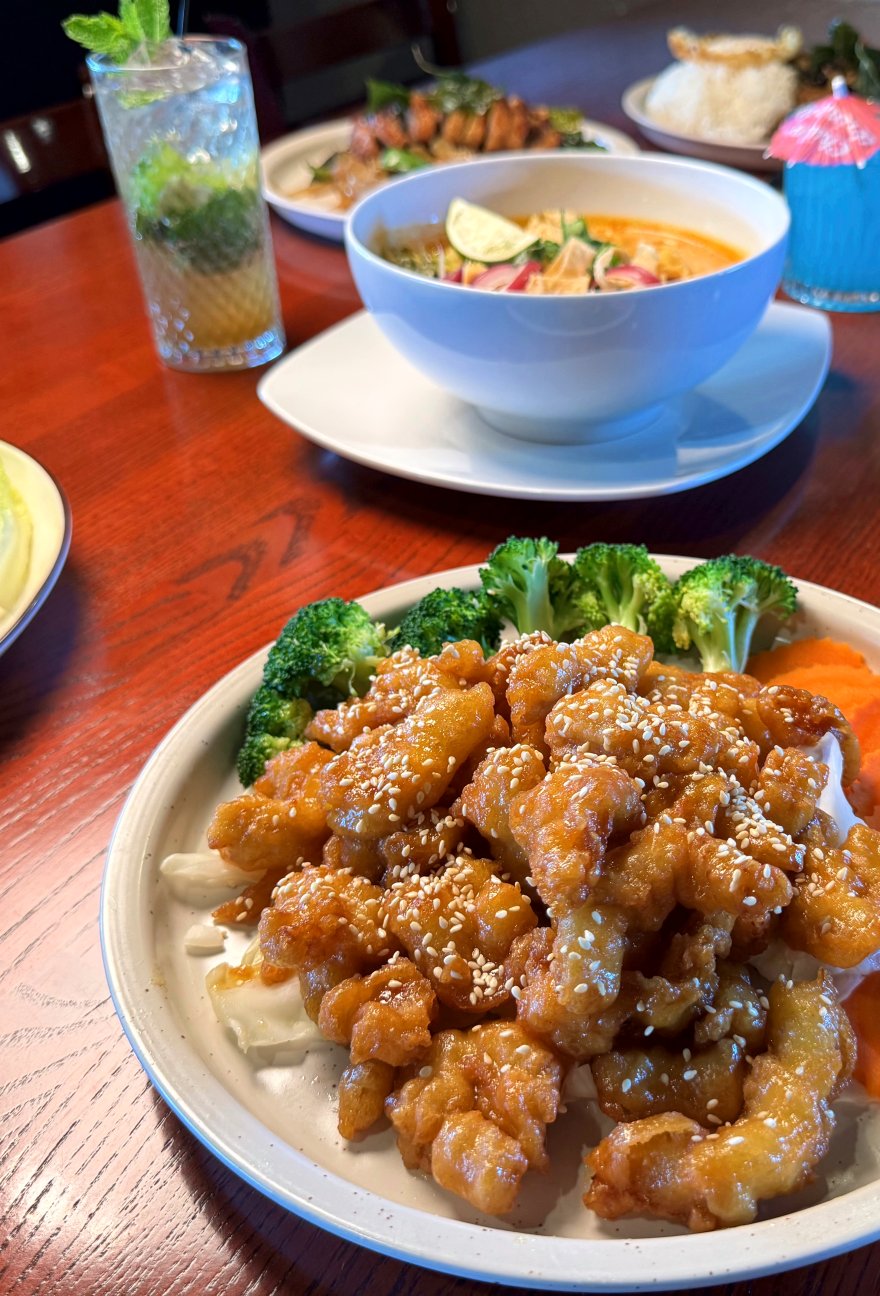
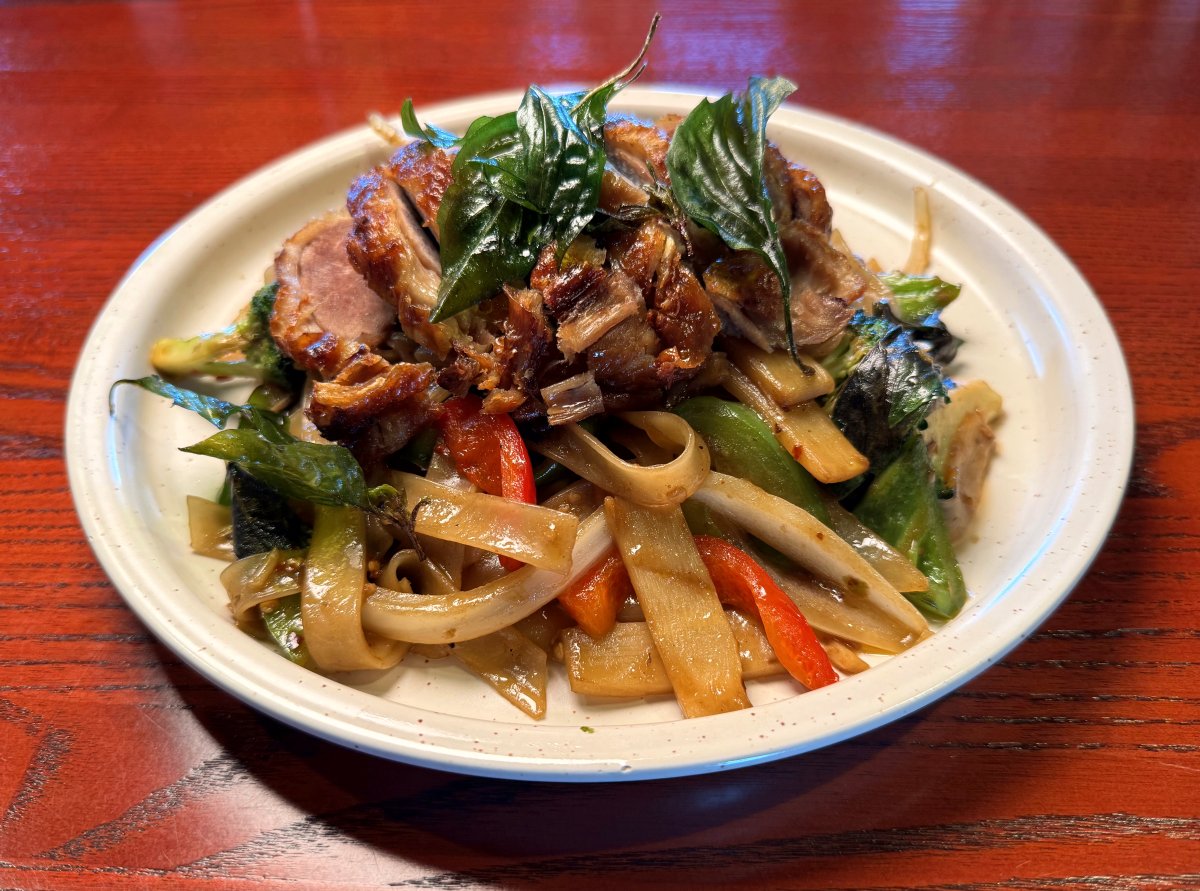
There are some dishes that survive a trip across town just fine. A braise often tastes better after a rest. Soup can hold. Fried rice is surprisingly forgiving if it is packed well and eaten quickly. Drunken Noodles are not one of those dishes.
Anyone who has made them in a hot pan and eaten them seconds later knows why. This is a dish built on extremes. The noodles should be slippery but not sodden. The sauce should coat, not pool. The basil should hit the heat just long enough to perfume the pan without turning black and limp. The vegetables should stay vivid and crisp at the edges. The whole thing should arrive at the table glossy, savory, a little smoky, and still alive with chile. Delivery, by its nature, works against nearly every one of those qualities.
That is the practical reason homemade Drunken Noodles beat delivery. The deeper reason is that this dish is unusually responsive to the cook’s hand. A small change in heat, noodle choice, sauce balance, or timing can move it from heavy and sweet to sharp, fragrant, and almost electric. At home, you control those decisions. That matters more with Drunken Noodles than with many takeout favorites.
The dish is fast, and fast food suffers from waiting
Drunken Noodles, or pad kee mao, are a wok dish at heart. Even in a home skillet, they are at their best during a narrow window, usually the first five minutes after cooking. That is when the rice noodles still have spring, the seared edges still smell toasted, and the basil still throws off its peppery aroma. Wait fifteen or twenty minutes in a takeout box and the texture shifts. Steam softens everything. The noodles continue absorbing sauce. What started as a balanced stir-fry turns into something flatter and stickier.
This is not a knock on restaurants. It is a limitation of physics. Any cook who has packed hot noodles into a closed container has seen what happens. The steam trapped inside condenses and drips back into the food. Rice noodles, especially the broad fresh kind used in many versions of Drunken Noodles, are excellent at soaking up moisture. That sounds useful until you realize they keep drinking long after the pan is off the heat.
At home, the dish goes from pan to plate. No closed lid. No insulated bag. No ten-minute stop while your driver picks up another order. The difference is not subtle. Freshly cooked Drunken Noodles have separation between strands, distinct pockets of char, and enough resilience to pull cleanly with chopsticks or a fork. Delivered Drunken Noodles too often slump into a dense mass that eats heavier than it should.
Heat changes the flavor, not just the temperature
People usually talk about wok hei, the breath of the wok, as if it belongs only to restaurant burners. Fair enough, few home kitchens can match the raw BTUs of a commercial range. But that misses something important. High heat does more than add smoke. It manages moisture. It gives vegetables a fast blister before they leak too much water. It lets sauce reduce quickly instead of simmering into a salty puddle. It helps proteins brown before they toughen.
In a restaurant, Drunken Noodles can be excellent when eaten on site because those conditions are ideal. Once packaged, though, the advantages fade. The char softens. The crisp edges relax. The basil fragrance dissipates into the container. Some kitchens compensate by pushing sweetness or salt so the food still tastes forceful after travel. That is understandable, but it often leaves the dish blunt.
Home cooking offers a different kind of control. Even on a modest burner, you can cook in smaller batches, which matters more than most people realize. A crowded pan steams. A reasonably loaded pan sears. If you are making dinner for two, that is easy to manage. You can cook the protein first, remove it, blister the vegetables, then bring everything together with noodles and sauce in a final fast toss. The result may not replicate a restaurant wok exactly, but it often lands closer to the spirit of the dish than a delivered version that spent twenty minutes in a box.
The sauce tastes better when you tune it to the noodles in front of you
One of the great frustrations of delivered Drunken Noodles is inconsistency. Sometimes they arrive strangely sweet. Sometimes aggressively salty. Sometimes pale and timid. Sometimes so oily the bottom of the container looks lacquered. This is not always poor cooking. It is often the result of one sauce formula being asked to cover too many variables.
Rice noodles vary. Fresh wide noodles behave differently from dried ones. Dried noodles vary by brand, thickness, and soaking time. Vegetables release different amounts of water depending on the season, the cut, and how hot the pan is. Chicken and tofu contribute differently. Shrimp brings sweetness and moisture. Every one of those variables affects how the final sauce should be adjusted.
At home, you can respond in real time. If your noodles are slightly wetter than expected, you hold back a splash of sauce and let the pan run hotter for thirty seconds. If your basil is especially pungent, you can lean down the chile and let the herb speak. If your soy sauce is saltier than usual, you soften it with a touch more oyster sauce or a pinch of sugar. These are small judgments, but Drunken Noodles are made of small judgments.
A lot of home cooks discover, after a few tries, that the best version for their palate is not the one restaurants usually send out. It may be less sweet, more basil-forward, heavier on garlic, or sharper with white pepper. Once you hit that personal balance, delivery starts to feel like a compromise.
Fresh basil is the deal-breaker
If I had to name one ingredient that most clearly separates homemade Drunken Noodles from delivery, it would be basil. Not because restaurants use bad basil, but because basil is fragile and time-sensitive. Thai basil, holy basil if you can get it, and even a mix of Thai and Italian basil each behave differently in the pan. All of them lose something with delay.
Fresh basil should hit the heat late. It should wilt, not collapse. The leaves should perfume the noodles and release a little anise and pepper into the steam. When basil sits in a closed container, especially against very hot noodles, it darkens and loses that bright top note. What remains is herbal, but flatter.
At home, you can buy one bunch and use it generously. That point matters because many delivered portions are basil-light. Herbs are expensive, perishable, and often treated as garnish when they should be part of the architecture of the dish. In a homemade batch, you can add enough basil to make the kitchen smell right, which is often more than you would expect if you have only had mediocre takeout versions.
The same goes for garlic and chile. They should not merely be present. They should be vivid. Freshly sliced bird’s eye chiles give a cleaner, sharper heat than the generic anonymous burn that sometimes dominates restaurant delivery. Fresh garlic, hit in hot oil for seconds rather than minutes, gives sweetness and punch without bitterness. When those aromatics are right, the dish feels lively rather than merely spicy.
Texture is where delivery loses the argument
The best Drunken Noodles are texturally busy. That is one of the reasons they are so satisfying. You have chew from the rice noodles, tenderness from the protein, crunch from a vegetable like Chinese broccoli or bell pepper, slipperiness from the sauce, and a little jaggedness from charred edges and basil stems. That range collapses in transit.
Take Chinese broccoli, a classic choice. In the pan, the stems should stay snappy and the leaves should soften only enough to become glossy. Ten or fifteen minutes in a sealed container, the stems lose bite and the leaves overcook from residual heat. Bell peppers can go from blistered to soggy. Onions soften too far and start blending into the sauce. Even baby corn, which usually holds up well, can lose its clean snap.
Homemade cooking avoids that drift. It also allows you to choose vegetables that you actually want in your noodles. Not everyone likes carrots in Drunken Noodles, yet they appear in many delivery versions because they are inexpensive and sturdy. Home cooks can skip them. If you prefer more Chinese broccoli and less onion, you make that call. If you love long beans or mushrooms, they are easy additions. The point is not authenticity as a rigid checklist. The point is textural intent. You get to decide what the dish should feel like in the mouth, then cook toward that outcome.
Better ingredients do not have to mean luxury ingredients
There is a common assumption that restaurant food automatically benefits from better sourcing or more specialized pantry items. Sometimes that is true. But Drunken Noodles are not a dish that depends on luxury. They depend on freshness, proportion, and timing. Those are accessible advantages for a home cook.
A very good homemade pan often starts with a few unglamorous choices made well:
- fresh or properly soaked wide rice noodles
- a balanced sauce built from soy sauce, oyster sauce, and a touch of sugar
- plenty of fresh basil, garlic, and chile
- a protein that is sliced thinly enough to cook quickly
- vegetables that are dry, cut evenly, and added in the right sequence
None of that is expensive. What it requires is attention. Dry your vegetables before they hit the pan. Do not marinate the protein so long that it leaks liquid. Keep the sauce mixed and ready. Cook over enough heat that the noodles fry instead of stew. Home cooks who follow those principles often produce a plate that tastes cleaner and more deliberate than the average delivered order.
There is also less hidden compromise. Restaurants making high-volume takeout have to think about consistency, speed, food cost, and packaging. A home cook can spend an extra minute separating noodles with care or trimming Chinese broccoli stems so they cook evenly. That minute shows up in the final dish.
Homemade lets you correct the most common delivery problems
After years of ordering and cooking this dish, a pattern emerges. Delivery Drunken Noodles usually miss in predictable ways. The noodles are too soft, the sauce too sweet, the spice either timid or clumsy, and the basil underpowered. Occasionally the opposite happens and the dish arrives aggressively salty because it was seasoned for a stronger burner and drier finish than delivery allowed.
At home, those problems are fixable because they are visible while you cook. You can taste the sauce before it goes in the pan. You can pull the noodles when they are still slightly firmer than ideal because they will finish in the sauce. You can layer heat with both fresh chile and a little white pepper rather than relying on one-note burn. You can add basil in two waves, stems earlier for depth and leaves late for aroma.
That kind of adjustment is not fancy cooking. It is basic observational cooking, the sort of thing many people already do without naming it. Pasta is tasted before draining. Roasted vegetables are checked for browning. Soup gets another pinch of salt if it tastes flat. Drunken Noodles reward the same instinctive attention.
It is a weeknight dish once you understand the rhythm
Some people assume homemade Drunken Noodles are a weekend project. They can be, especially if you are tracking down fresh noodles and specialty basil. But most of the time this is a fast weeknight meal. In many home kitchens, once the ingredients are prepped, the actual cooking takes under ten minutes. That is another reason delivery loses some of its appeal. If the restaurant is forty minutes away in practical terms, including order time and transport, you can often eat sooner by cooking.
The trick is mise en place, not culinary heroics. The sauce is mixed in a bowl. The protein is sliced. The noodles are loosened. The vegetables are washed and dried. The basil is picked. After that, the dish moves in bursts. Aromatics first, then protein, then vegetables, then noodles and sauce, then basil. There is no long simmer, no roasting window, no resting period. It is active but brief.
For households trying to eat better without sacrificing flavor, that matters. Drunken Noodles made at home can be generous and deeply savory without becoming the oil-heavy, sodium-heavy event that some takeout versions are. You can use more vegetables, a little less sauce, and still keep the dish fully satisfying.
Cost matters, especially if you feed more than one person
Restaurant pricing has changed. A delivered order of Drunken Noodles can easily cost two to three times the ingredient price of a homemade batch, and that gap widens once delivery fees, service fees, and tip are added. For one person, maybe the convenience still wins sometimes. For two or four people, homemade starts looking much smarter.
A reasonable home batch can stretch with very little strain. Add another handful of noodles, one more bunch of Chinese broccoli, a bit more basil, and a little extra egg or tofu, and dinner expands. The flavor does not suffer if you keep the pan from overcrowding. In fact, some home cooks find they prefer a slightly lighter ratio of sauce to noodle than restaurants often serve, which makes scaling more pleasant.
There is also leftover logic. Many delivered noodle dishes are not great the next day. Homemade gives you the option to stop cooking at the quantity you actually want, or to hold components separately and make a fresh second round later. That flexibility is worth money and fridge space.
You can make it truer to your own table
One of the underappreciated pleasures of cooking Drunken Noodles at home is that the dish becomes personal without losing its identity. Maybe you like yours with shrimp and extra basil. Maybe you prefer thin slices of pork and more Chinese broccoli stem than leaf. Maybe you want it spicy enough to make your nose run, but not so hot that you stop tasting the sauce. Those preferences are easier to honor in your own kitchen than in a takeout app comment box.
This is where professional cooking and home cooking separate in a useful way. Restaurant food is designed to satisfy many diners at once. Home food only has to satisfy the people at your table. That opens room for judgment. If one person likes more sweetness, you can balance a batch toward that without crossing into sticky. If another wants extra heat, you can finish their plate with fresh sliced chile rather than punishing everyone else.
Over time, those adjustments create a house version. That is often when delivery stops being the default. Once you know what your own ideal Drunken Noodles taste like, average restaurant versions feel generic.
The few times delivery still makes sense
Homemade is not always the answer. If a local Thai restaurant cooks over fierce heat, uses excellent fresh noodles, and can get the food to your table in ten minutes, delivery may be good enough, especially https://arthurgbgy891.northstarcolumn.com/posts/flavorful-drunken-noodles-with-minimal-ingredients if the alternative is no dinner at all. If you do not have access to wide rice noodles or decent basil, a strong restaurant order will almost certainly beat a compromised home attempt built from the wrong ingredients.
There is also the question of equipment and ventilation. Stir-frying noodles can get smoky. In a small apartment with a weak hood and a sensitive smoke detector, that is real friction. And if you are cooking for a crowd larger than your skillet can handle, restaurant scale becomes an advantage.
Still, even with those caveats, many people underrate how achievable homemade Drunken Noodles are. The dish does not ask for pastry precision. It asks for speed, heat, and attention. Those are learnable skills.
What makes a homemade plate memorable
A memorable plate of Drunken Noodles does not announce itself with novelty. It tastes complete. The noodles are chewy and slick, not gluey. The sauce is savory and a little sweet, but not candied. Garlic is present. Chile is assertive. Basil rises out of the steam before you even take a bite. The vegetables still have shape. The protein tastes integrated rather than like an add-on. You finish the plate feeling satisfied, not weighed down.
That balance is easiest to achieve at home because you can stop at the exact moment the dish is ready. Not ready for boxing. Not ready for the drive. Ready to eat.
That sounds simple, but for Drunken Noodles it is everything. Some dishes forgive delay. This one rewards immediacy. It rewards a cook who notices when the pan is a little too wet and turns the heat up, who smells the garlic and knows the noodles need to go in now, who tosses the basil through at the last second and gets the food onto plates while it is still vibrant.
Once you taste that version, delivery starts to feel like a translation rather than the original. Not bad, sometimes very decent, but one step removed from what the dish is supposed to be. Homemade brings it back into focus. That is why it wins.
Nakhon Luang Thai Kitchen
Address: 805 Village Center Dr, Colorado Springs, CO 80919
Phone number: +17195315175
FAQ About Drunken Noodles
What makes it drunken noodles?
Drunken noodles, or Pad Kee Mao, get their name from the Thai word khi mao (meaning "drunkard"). They contain no alcohol. The name comes from the idea that the dish is a popular late-night meal to cure a hangover or a great food to eat with a cold beer.
What is the difference between pad see ew and drunken noodles?
While both Pad See Ew and Drunken Noodles use the same wide rice noodles, Pad See Ew is a mild, sweet-savory dish made with dark soy sauce and Chinese broccoli, whereas Drunken Noodles (Pad Kee Mao) are fiery, garlicky, and herbaceous with fresh chilies and Thai basil.
What are traditional drunken noodles?
Traditional drunken noodles, known as Pad Kee Mao in Thai, are a fiery, savory street food stir-fry made with wide flat rice noodles, fresh garlic, lots of hot chilies, meat or tofu, and fragrant holy basil. Despite the name, they contain no alcohol; the dish is traditionally eaten late at night or as a hangover cure because the intense spice helps clear the head.